In the ever-evolving landscape of food technology, packaging has emerged as a silent yet powerful player in shaping consumer experience, reducing waste, and promoting environmental stewardship. Gone are the days when packaging merely served as a container or a marketing tool. Today, it is a dynamic interface between food and the world—preserving freshness, extending shelf life, and minimizing ecological impact. 環保餐具訂製 As global awareness of sustainability grows and consumer expectations shift toward transparency and health, innovations in food packaging are redefining the future of how we store, transport, and consume food.
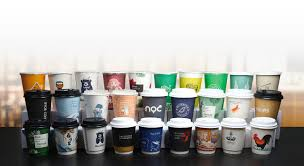
At the heart of these innovations lies a dual mission: to enhance the freshness of food products and to reduce the environmental footprint of packaging materials. This mission has sparked a wave of creativity and scientific advancement, leading to the development of smart materials, biodegradable alternatives, and intelligent systems that respond to real-time conditions. The result is a packaging revolution that is not only functional but also ethical and forward-thinking.
One of the most transformative developments in recent years is the rise of active packaging. Unlike traditional passive packaging, which simply encloses food, active packaging interacts with its contents to maintain quality. Oxygen scavengers, moisture absorbers, and antimicrobial agents are embedded within the packaging material to combat spoilage and microbial growth. For example, sachets containing iron powder are used to absorb oxygen in packaged meats, preventing oxidation and extending shelf life. Similarly, packaging infused with natural extracts like oregano or clove oil can inhibit bacterial growth in dairy products, offering a chemical-free alternative to preservatives.
Parallel to active packaging is the emergence of intelligent packaging systems. These are designed to monitor the condition of the food and provide real-time information to consumers and retailers. Time-temperature indicators, freshness sensors, and QR codes linked to blockchain data are becoming increasingly common. Imagine purchasing a carton of milk that tells you not just the expiration date, but also whether it has been stored at the correct temperature throughout its journey. This level of transparency empowers consumers and reduces food waste by ensuring that products are consumed while still safe and fresh.
Biodegradable and compostable packaging materials are also gaining traction as the world grapples with plastic pollution. Traditional petroleum-based plastics, while durable and cheap, pose significant environmental challenges. In response, researchers and companies are turning to materials derived from renewable sources such as cornstarch, sugarcane, and seaweed. Polylactic acid (PLA), made from fermented plant sugars, is one such material that mimics the properties of plastic but breaks down under industrial composting conditions. Similarly, packaging made from mushroom mycelium or banana leaves offers a rustic, organic alternative that is both functional and earth-friendly.
Edible packaging is another frontier that blurs the line between food and container. These materials are designed to be consumed along with the food they encase, eliminating waste entirely. Innovations in this space include films made from milk proteins (casein), fruit peels, and even algae. While still niche, edible packaging holds promise for single-serve items like snack bars, ice creams, and condiments, where convenience and sustainability intersect.
Nanotechnology is also making waves in food packaging by enabling the creation of materials with enhanced barrier properties and antimicrobial functions. Nano-clay particles, for instance, can be incorporated into packaging films to reduce permeability to gases and moisture, thereby preserving freshness. Silver nanoparticles, known for their antimicrobial properties, are being explored to prevent bacterial contamination in packaged foods. While the use of nanomaterials raises regulatory and safety questions, their potential to revolutionize packaging performance is undeniable.
Digital printing and customization technologies are contributing to sustainability by reducing waste and improving efficiency. Brands can now print directly onto packaging materials with minimal ink and energy usage, allowing for small-batch production and personalized designs. This not only reduces excess inventory but also caters to the growing demand for localized and seasonal products. Moreover, digital printing enables the integration of smart labels and interactive features that enhance consumer engagement and traceability.
The circular economy model is influencing packaging design by encouraging reuse, recycling, and resource efficiency. Companies are investing in closed-loop systems where packaging is collected, cleaned, and reused multiple times. Refillable containers, returnable glass bottles, and modular packaging systems are part of this movement. In addition, design for disassembly—where packaging components can be easily separated for recycling—is becoming a standard practice among eco-conscious brands.
Government regulations and consumer advocacy are playing a pivotal role in driving innovation. Bans on single-use plastics, incentives for compostable materials, and labeling requirements are pushing manufacturers to rethink their packaging strategies. At the same time, consumers are demanding transparency, minimalism, and ethical sourcing. This cultural shift is prompting brands to adopt packaging that reflects their values and resonates with environmentally aware audiences.
Despite these advancements, challenges remain. Cost, scalability, and consumer acceptance are hurdles that must be addressed to ensure widespread adoption. Biodegradable materials may require specific conditions to break down, and edible packaging must meet stringent food safety standards. Moreover, the infrastructure for composting and recycling varies widely across regions, affecting the effectiveness of sustainable packaging solutions.
Nevertheless, the momentum is undeniable. The convergence of science, design, and ethics in food packaging is creating a future where freshness and sustainability are not mutually exclusive but mutually reinforcing. As innovation continues to flourish, the humble food package is being reimagined as a guardian of health, a steward of the planet, and a storyteller of the journey from farm to fork.
In this new era, packaging is no longer an afterthought—it is a central character in the narrative of food. From smart sensors to seaweed wrappers, the possibilities are as diverse as they are inspiring. And while the road ahead may be complex, the destination is clear: a world where food stays fresh longer, waste is minimized, and every bite comes wrapped in responsibility.