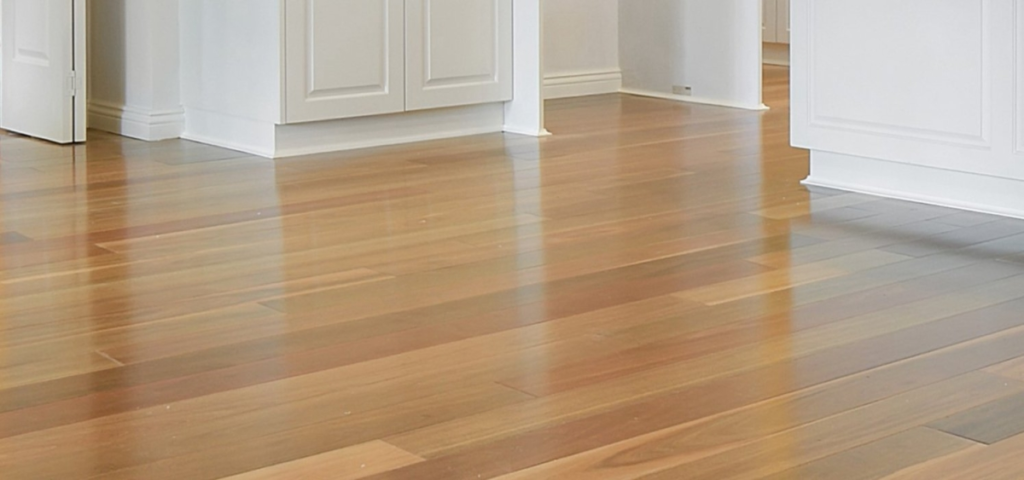
A floor is often the most overlooked element of any space, yet it softly shapes how you live, move, and feel every day. It supports our steps, absorbs our energy, demonstrates our style, and attaches every room into a single story. While walls may hold art and ceilings may carry light, a floor carries life itself. From ancient stone surfaces to modern made materials, the development of the floor magnifying mirrors human progress, culture, and creativity.
In early cultures, a floor was a primary off shoot of the earth 地板. Packed soil, clay courts, and rough stone formed the beds base of homes and communal spaces. These surfaces were practical and available, but they also held a symbol meaning. A solid floor represented safety, grounding, and permanence. Over time, organizations begun to improve what lay beneath their feet. Finished stone, mosaics, and hardwood floors emerged, showing that the floor could be both functional and expressive.
As buildings advanced, a floor became a key design element rather than a simple foundation. Different materials begun to define different spaces. A marbled floor suggested elegance and authority, often welcomed in palaces and wats or temples. Wooden floors brought warmth and comfort, making homes feel inviting and alive. In many cultures, the act of sitting or eating on to the ground created social bonds and traditions that survive today.
In the modern world, a floor plays an even more complex role. It must balance durability, comfort, and overall look while meeting the demands of busy lifestyles. Homes, offices, schools, and public spaces all require different types of flooring solutions. A residential floor might focus on warmth and beauty, while a commercial floor must withstand heavy foot traffic and constant use. This diversity has led to an incredible choice of materials, textures, and finishes.
The emotional impact of a floor is often underestimated. Walking barefoot across a smooth wooden floor can feel calming and natural. A soft carpeted floor can create an awareness of security and relaxation. On the other hand, a cold tile floor might feel refreshing in warm climates and clean in high-traffic areas. The way a floor feels underfoot influences mood, comfort, and even productivity.
Sustainability in addition has transformed how you look at the floor. As environmental awareness grows, many people now consider the source and life expectancy of flooring materials. Reclaimed wood, bamboo bedding and sheets, cork, and recycled composites have become popular choices for those who want a responsible floor without sacrificing style. These materials tell a tale of rebirth and respect for natural resources, demonstrating that a floor can support both human life and the planet.
The partnership between light and the floor is another important factor of design. A light-colored floor can make a small room feel open and airy, reflecting natural light throughout the space. Dark floors add depth and drama, creating a strong visual foundation for furniture and décor. The finale of the floor, whether matte or shiny, further influences how light moves and how a room is perceived.
Cultural identity is often expressed through the floor. Traditional patterns, hand-laid tiles, and region-specific materials connect spaces to history and heritage. In some regions, intricate floor designs are created for fairs and ceremonies, focusing a floor as a canvas for artistic expression. These practices remind us that the floor is not just something we walk on, but something we interact with and honor.
Maintenance and care are very important to protecting the life span of a floor. A well-maintained floor can last for decades, gaining character over time. Small scratches on a wooden floor or subtle wear on stone tiles often add charm rather than take away from beauty. This aging process demonstrates the life span lived upon a floor, turning it into a silent experience of daily moments and memories.
Technology in addition has influenced the modern floor. Heated flooring systems add comfort in frigid climates, adjusting a floor into a source of warmth. Traditional acoustic flooring reduces noise, creating quieter and more peaceful environments. These innovations show how the floor continues to change, establishing to human needs while remaining significant part of buildings.